
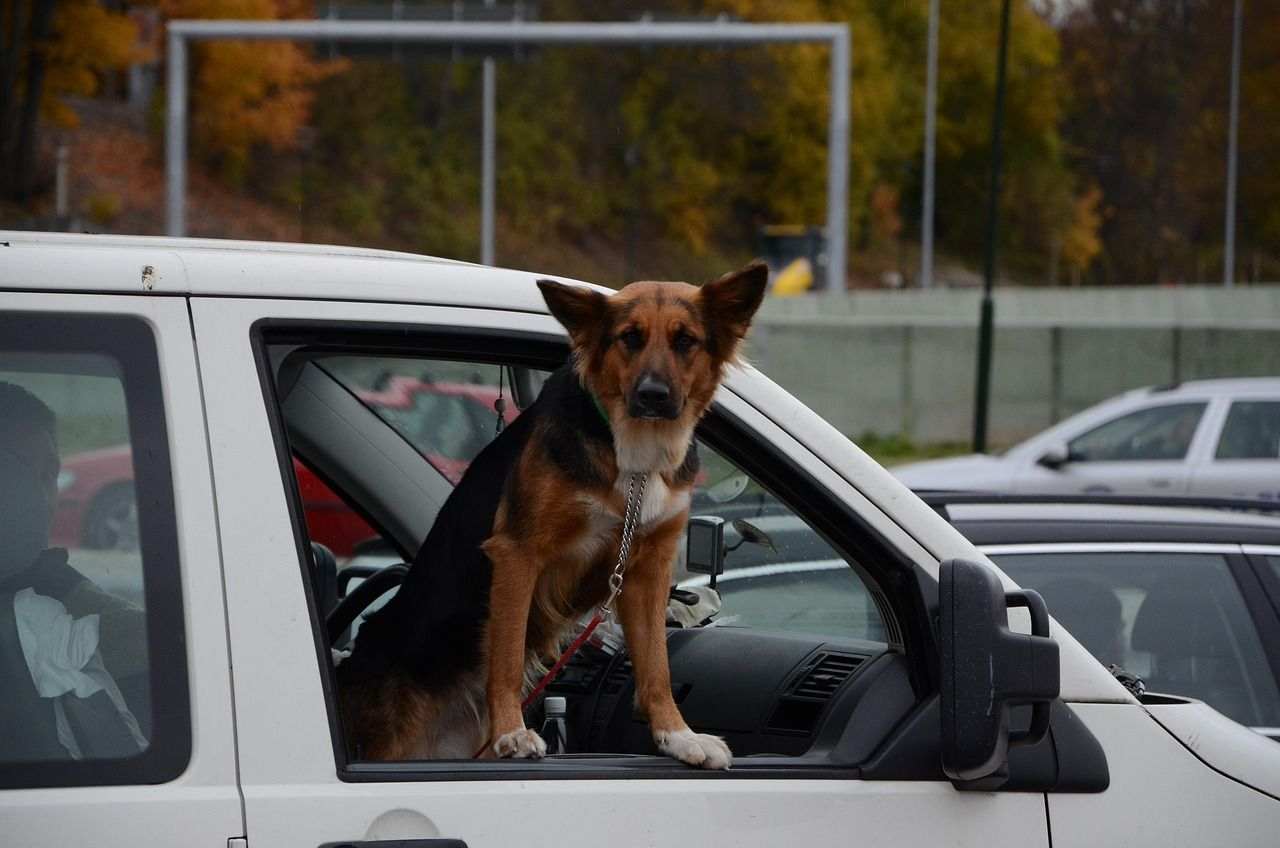
As large dogs age, climbing into an SUV or truck becomes a major hazard for their joints. Heavy breeds are prone to hip dysplasia and severe arthritis, making the impact of jumping in and out of vehicles painful and dangerous. A sturdy, non-slip dog ramp is an essential tool to maintain your dog’s mobility and protect your own back from heavy lifting.
In this Guide
Key Features to Look For in a Senior Dog Car Ramp
- Weight Capacity: Ensure the ramp is rated for large breeds (at least 150-200 lbs) to prevent bending or shaking.
- High-Traction Surface: Look for textured, grit-paper, or rubberized surfaces so elderly paws don’t slip, especially in rainy weather.
- Portability and Folding Design: The ramp should be lightweight enough for you to fold and store in your trunk easily.
PetSafe Happy Ride Folding Dog Ramp – Best for SUVs
This is a durable, lightweight option designed specifically for large dogs. It features high-safety side rails and a high-traction surface to give your senior pup maximum confidence while walking up into the vehicle.
Natural-Step Ramp – Best Premium Poly-Carpet Option
If your dog is anxious about rough sandpaper-like surfaces, this ramp features a patented poly-carpet material that feels natural under their paws while providing incredible grip.
Buyer’s Guide: How to Choose the Best Car Ramp for Large Senior Dogs
Selecting a car ramp for a heavy, aging dog requires careful consideration. A wrong choice can result in a ramp that shakes, slips, or terrifies your dog, leaving it unused in your trunk. Here are the core factors you must analyze before making a purchase.
1. Total Incline and Slope Angle
The length of the ramp dictates how steep the climb will be. This is simple physics, but it has a massive impact on an arthritic dog’s joints:
- Short Ramps (62 inches or less): These work well for standard sedans or low station wagons. However, if you try to use a short ramp on a tall SUV or truck, the angle will be too steep, placing immense stress on your dog’s rear shoulders and hips.
- Long Ramps (72 inches or more): These are highly recommended for SUVs, 4×4 trucks, and minivans. A longer ramp creates a much gentler, gradual incline, making it significantly easier and less painful for a weak dog to walk up.
2. Folding vs. Telescoping Designs
How the ramp compacts determines how easy it is for you, the caregiver, to handle daily routines:
- Bi-Fold/Tri-Fold Ramps: These feature heavy-duty hinges and fold in half or thirds. They are incredibly quick to open and close, but they take up a fixed block of space in your vehicle.
- Telescoping Ramps: These slide into themselves like a telescope. They allow you to customize the length to fit different vehicle heights and are highly compact, but they require a bit more effort to slide open if dirt or dog hair gets trapped in the tracks.
3. Lateral Safety Rails
Large senior dogs often suffer from poor balance or neurological conditions like Degenerative Myelopathy (DM), which causes their hindquarters to sway. Look for ramps that feature raised edge guards or lateral safety rails. These physical barriers prevent your dog’s paws from slipping off the side of the ramp, building their confidence and preventing catastrophic falls.
Step-by-Step Training Guide: How to Train a Scared Senior Dog to Use a Ramp
Never force, drag, or push an anxious senior dog onto an inclined ramp. Older dogs are naturally suspicious of unstable surfaces, and a single bad experience can terrify them permanently. Follow this patient, reward-based training protocol:
Step 1: The Flat-Ground Introduction
Before ever leaning the ramp against your vehicle, lay it completely flat on your living room floor or grass. Scatter high-value treats (like pieces of chicken or cheese) along the surface. Let your dog sniff, investigate, and walk across the flat ramp at their own pace. Reward them heavily every time their paws touch the material. Do this for 2-3 days until they treat the ramp like a fun game.
Step 2: The Low-Incline Transition
Once your dog is comfortable walking on the flat surface, elevate one end of the ramp slightly. You can prop it up on a low step, a sturdy couch cushion, or a single porch step (just a few inches off the ground). Guide them up and down using a leash and treats, holding their support harness if needed. This teaches them to balance on a slight slope without overwhelming them with height.
Step 3: Moving to the Vehicle
Now, secure the ramp firmly to your open car trunk or side door. Ensure the safety straps are locked so the ramp cannot wobble or shake when weight is applied. Stand right next to the ramp to act as a protective barrier. Use a short leash to keep your dog centered, hold a high-value treat right in front of their nose, and guide them up with calm, encouraging words. Have a second person inside the car waiting to shower them with praise once they arrive safely.
Conclusion: Safe Travels and Protected Joints
Investing in a high-quality car ramp is one of the most effective ways to prolong your large dog’s mobility and protect their joints from devastating impact trauma. Jumping out of an SUV can place up to four times a dog’s body weight on their front elbows and wrists—a recipe for severe arthritic flare-ups.
Take proper measurements of your vehicle’s cargo height, prioritize a high-traction surface like sandpaper-grit or premium poly-carpet, and invest the time needed to train your dog patiently. By doing so, you ensure that family road trips remain a source of joy, comfort, and safety for your golden companion.